5 interesting facts about passenger tires
The final article in the series "5 interesting facts". Of course, these are tires for passenger cars. Since this is the most massive segment in the world, you can find many more interesting facts, but we, by tradition, have selected the 5 most interesting.
An indispensable element
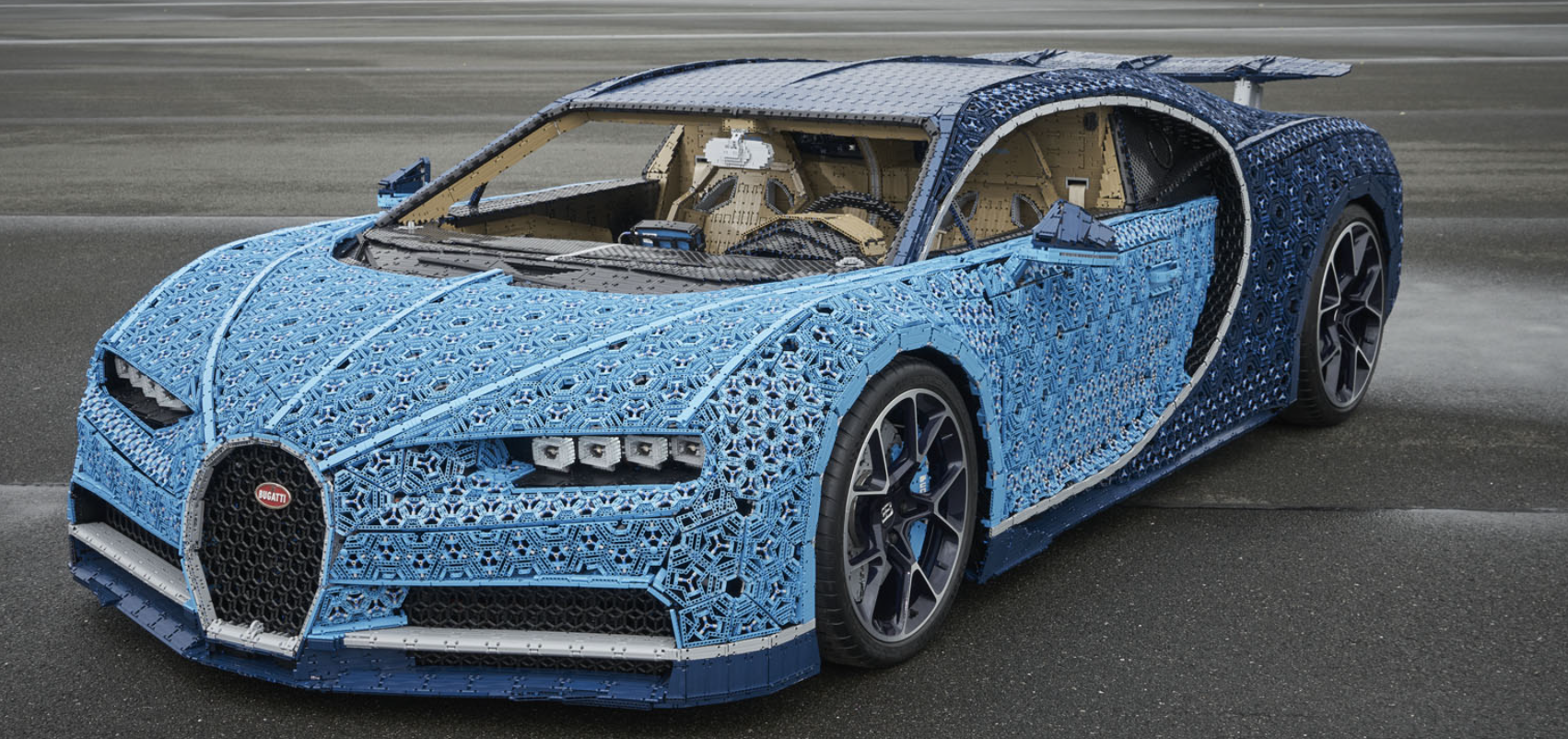
Since the first tires for cars appeared, they have never been replaced. Of course, we are talking about a complete replacement, and not individual cases of conceptual inventions. Tires are being modernized, but at the same time, the basic model has remained unchanged for a long time and, most importantly, indispensable. Even specialists from Lego, in honor of the release of the Bugatti Chiron supercar, made an exact copy of it, where all elements were replaced, except for the wheels in assembly. The fact that the tire is an indispensable element in a car has a downside. It has not undergone significant changes for too long. Technologies such as tires with instant hole sealing or self-supporting tires cannot compensate for the fact that airless tires are completely unsuitable for operation.
Mounds of waste - a drawback of pneumatic tires
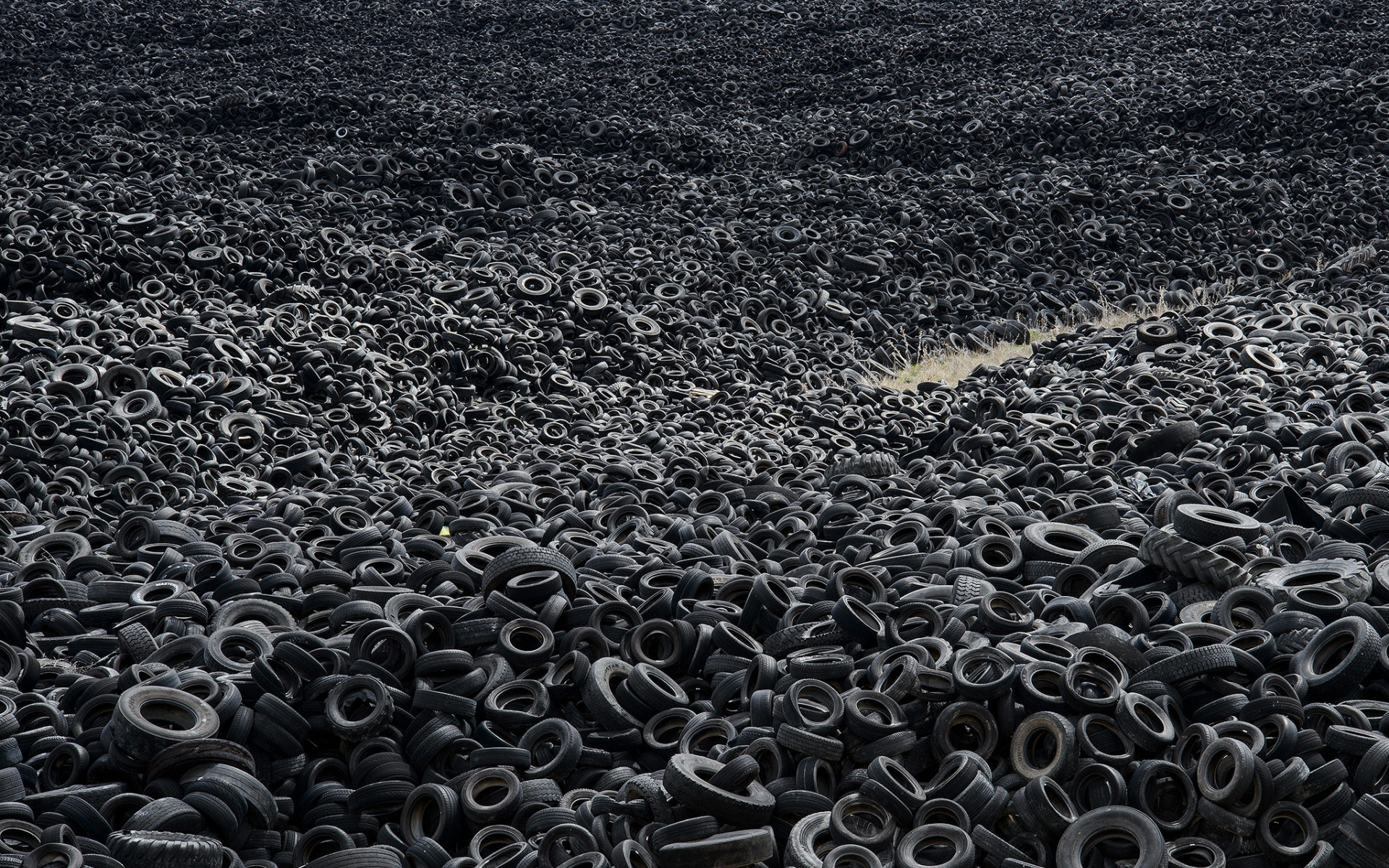
Tires are also a hazardous waste that cannot be disposed of simply by throwing them away or burying them. They need to be recycled. Of course, there cannot be enough recyclers, which is why entire mounds of recycled tires are growing in some countries. Moreover, according to statistics, 8 out of 10 tires are sent to landfills with a living tread. That is, the most ancient technology, which was once a real breakthrough - the pneumatic tire, has morally become outdated. Yes, it's really so. Therefore, all manufacturers without exception are working on concepts for new "airless" tires.
Airless tires - the future
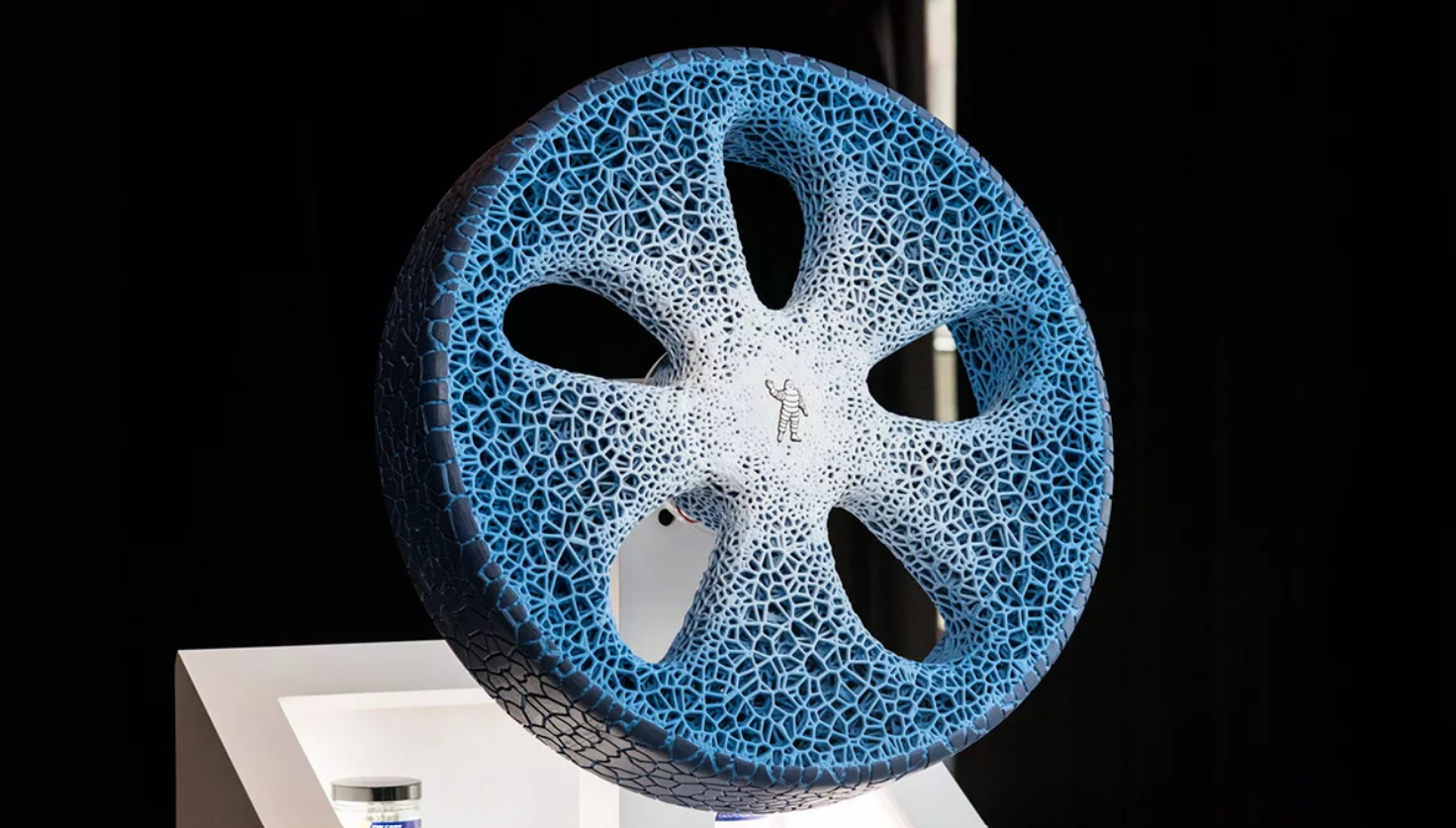
In order to save our planet from an environmental disaster, the next step, without a doubt, will be an airless tire. Not only numerous concepts but also serial tires that already exist and are operated on public roads say this. Moreover, one of the founders of the tire industry, the Michelin company, has presented the concept of tires of the future - Michelin Vision. If you believe this concept, then in the future, the tire industry will be strongly intertwined with the 3D printing industry. The necessary pattern will be applied to the same wheel, and there will be no waste. The plans, of course, are distant, but it is this company that has already launched airless tires into series production, so there are reasons to believe them.
Changing tire sizes
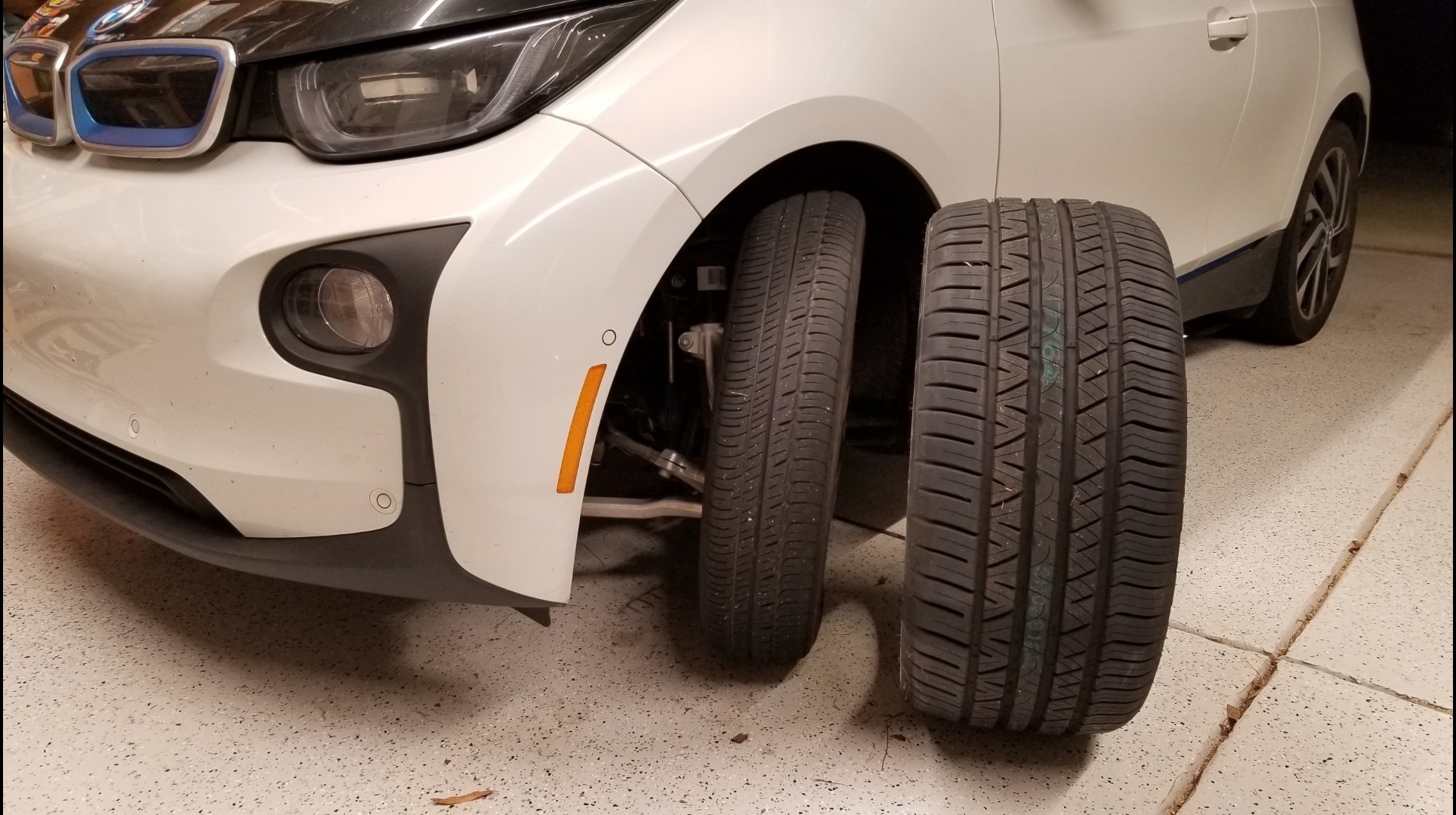
Tires were transferred to cars from bicycles, which is why they were very narrow and high. Over time, the power of cars grew, and the need for a larger contact patch increased. Today, we are witnessing the opposite effect. The automotive industry is changing rapidly, and the main change is that the familiar internal combustion engine is being replaced by an electric motor. This type of vehicle already has a different set of requirements, where rolling resistance occupies one of the first places. That's why tires are once again becoming noticeably narrower and higher, because this shape contributes to less rolling resistance.
Tire color
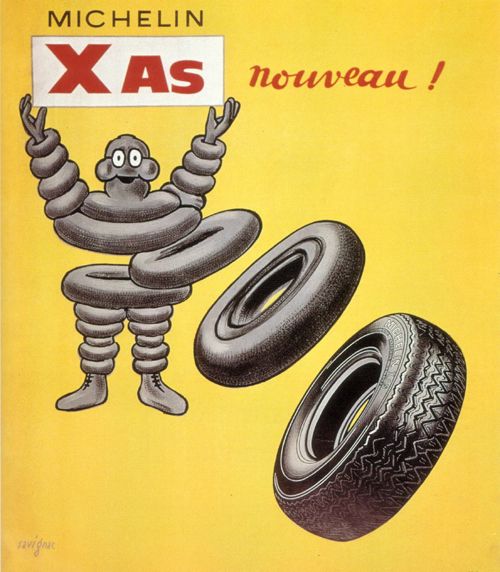
Let's touch on another interesting fact from history - the color of tires. The first tires were white-gray in color, but with the addition of technical carbon (soot), they changed their original color to the familiar black we know today. The question arose about the fate of the most famous tire symbol - the Bibendum, since it is white, like the first tires. There were even tentative attempts to repaint it black, but this attempt was not successful, and it was decided to leave the tire symbol in its familiar color.