The Toyo Tranpath S1 winter tire was developed with the operation of modern SUVs and crossovers in Northern Europe and, of course, Russia in mind. The use of this experience allowed the Japanese to create a highly competitive product that is well adapted for operation in the harsh conditions of the polar latitudes.
Wide Tread
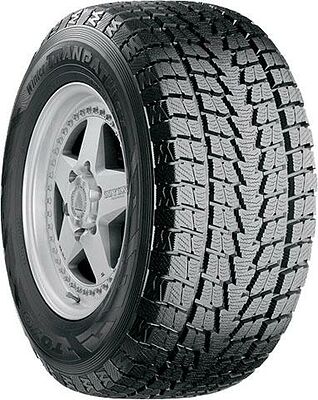
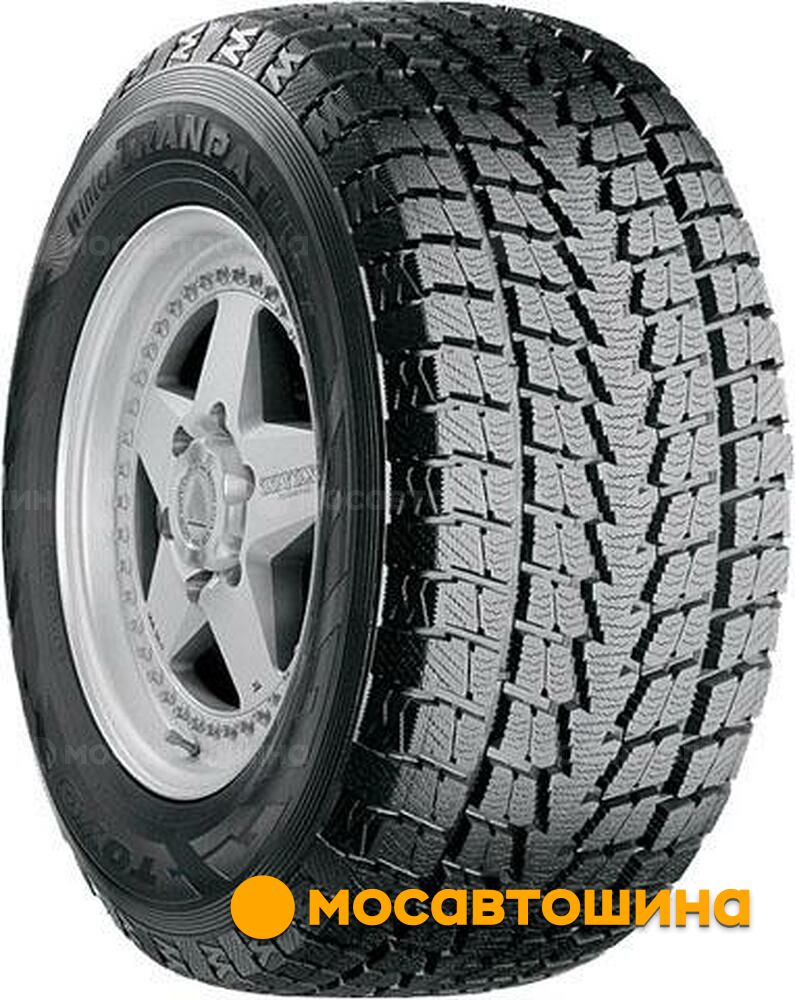
One of the distinctive features of this model is the increased tread width. This was done to provide a contact patch not only with maximum dimensions but also with an increased number of gripping edges. This, in turn, allowed for a significant improvement in traction on roads cleared of snow and ice. In addition, the increase in contact patch size, combined with some design features of the tread, increased the resistance to uneven wear and the tire's carrying capacity.
Several Thousand Lamellae
The overwhelming number of gripping edges on this tire is formed not by numerous blocks, but by lamellae cut into them. They are arranged in different directions, which allows the tire to demonstrate excellent and at the same time very reliable traction, especially on rolled snow and ice. As for the blocks, they provide the tire with confident behavior in loose snow.
Additional Gripping Edges on the Tire Sidewalls
A key feature of the shoulder area design is the construction of the transverse blocks. They are arranged in such a way that their border ends on the tire sidewalls. At the same time, there are several wavy lamellae on the lateral surface of the block. When moving on snow, they create the so-called "edge effect", thanks to which the tire demonstrates more confident behavior in adverse road conditions.
Main Features of the Toyo Tranpath S1 (TAS1) Tire
- an aggressive V-shaped tread pattern with an open design gives the tire excellent performance on any winter roads;
- a continuous longitudinal rib in the center, composed of arrow-shaped blocks, improves directional stability and handling, reduces rolling resistance, and prevents uneven wear;
- several thousand wavy lamellae provide confident behavior on rolled snow and ice.
 Enlarge
  ЯПОНИЯ
 Enlarge