The development of the tire industry from China has reached a level where modern Chinese tires are little inferior to world leaders in this field in terms of consumer quality. These include, without a doubt, the summer truck tire LingLong R666, which is designed for installation on all axles of low-tonnage trucks and minibuses.
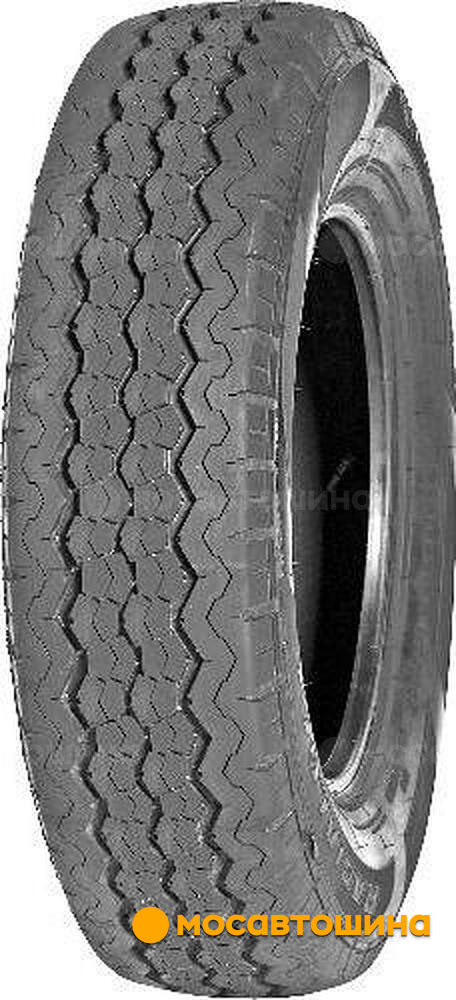
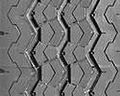
Thanks to the original design of the non-directional symmetric tread pattern, this tire can be operated on various types of pavement. The LingLong R666 tire has a number of distinctive features, one of which is the original design of both longitudinal ribs located in the central part of the tread. These ribs, in essence, consist of two rows of separate blocks spaced at a minimum distance from each other.
Thanks to the trapezoidal shape, these blocks were grouped into longitudinal ribs with an S-shaped configuration. This solution allowed Chinese tire makers to virtually eliminate resonant noise without compromising traction and handling. Additionally, the small distance between the trapezoidal blocks added stiffness to the central ribs, which largely ensured excellent acceleration and braking efficiency for this tire.
However, the first thing that catches the eye when looking at this tire is the reinforced shoulder areas, which, like passenger car tires, have a rounded profile. This unusual solution for this category of tires allowed for a reduction in the likelihood of signs of uneven wear, which led to an increase in the service life of the tire.
Main features of LingLong R666
- the possibility of year-round application is ensured by the well-designed non-directional symmetric tread pattern;
- low noise level, thanks to the S-shaped profile of the edges of the central ribs and the inner sides of the shoulder areas;
- the reinforced design of the shoulder areas added safety when cornering, as well as reduced the likelihood of uneven wear.

 КИТАЙ
КИТАЙ
Approximate calculation.
Credit amount from 2 000 to 300 000 rubles.
Initial payment from 0% to 90%.
Loan term from 3 to 36 months.
The interest rate is calculated individually.
Read more