-
 Enlarge
 Neumaster W-3DN G-2
Description Neumaster W-3DN G-2
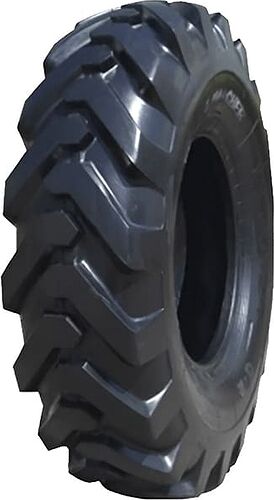
Neumaster W-3DN G-2 is designed for motor graders operating in road construction, quarries, and industrial sites, primarily on prepared dirt, gravel, and mixed surfaces. The design is focused on prolonged operation under high load, combining precise control, resistance to mechanical stress, and increased service life.
Open tread for stable traction
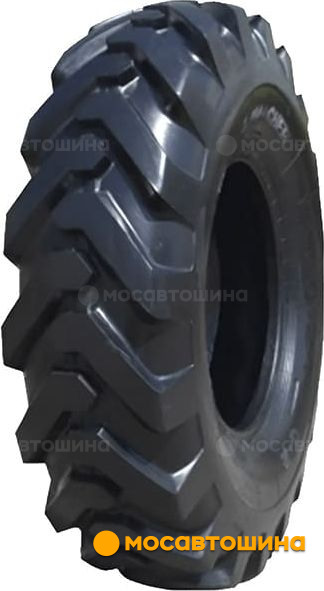
The tyre pattern is a combination of narrow blocks with elongated curved edges, which form multiple working edges. They effectively transmit traction on dirt surfaces, preventing wheel spin even when the surface bearing capacity is reduced. Significant gaps between elements facilitate the removal of dirt, sand, and small stones, allowing the tread to quickly self-clean and maintain its grip properties when working on wet surfaces. The wide base of the tread lugs limits their deformation, ensuring the stability of the machine when subjected to high lateral loads.
Reliability
The basis of the tyre is a reinforced diagonal carcass, which is characterized by high carrying capacity and resistance to mechanical stress. This design allows for prolonged operation with heavy suspended equipment and significant dynamic loads.
Significant resource for earthwork
The design is calculated to maintain working characteristics in conditions where the machine regularly changes direction and is subjected to high lateral loads. The rigid carcass contributes to the stability of the contact patch, increasing the accuracy of control and predictability of the machine's behavior. At the same time, the elasticity of the design allows for partial compensation of surface unevenness, reducing the impact loads on the chassis.
Key features of Neumaster W-3DN G-2:
- open tread with massive blocks provides high traction force and quick self-cleaning on loose and wet surfaces;
- reinforced diagonal carcass is designed for significant loads and prolonged operation in harsh conditions;
- wear-resistant compound effectively resists abrasion, cuts, and other mechanical damage;
- rigid design increases the stability of the machine when subjected to lateral loads and maintains control accuracy during earthwork.