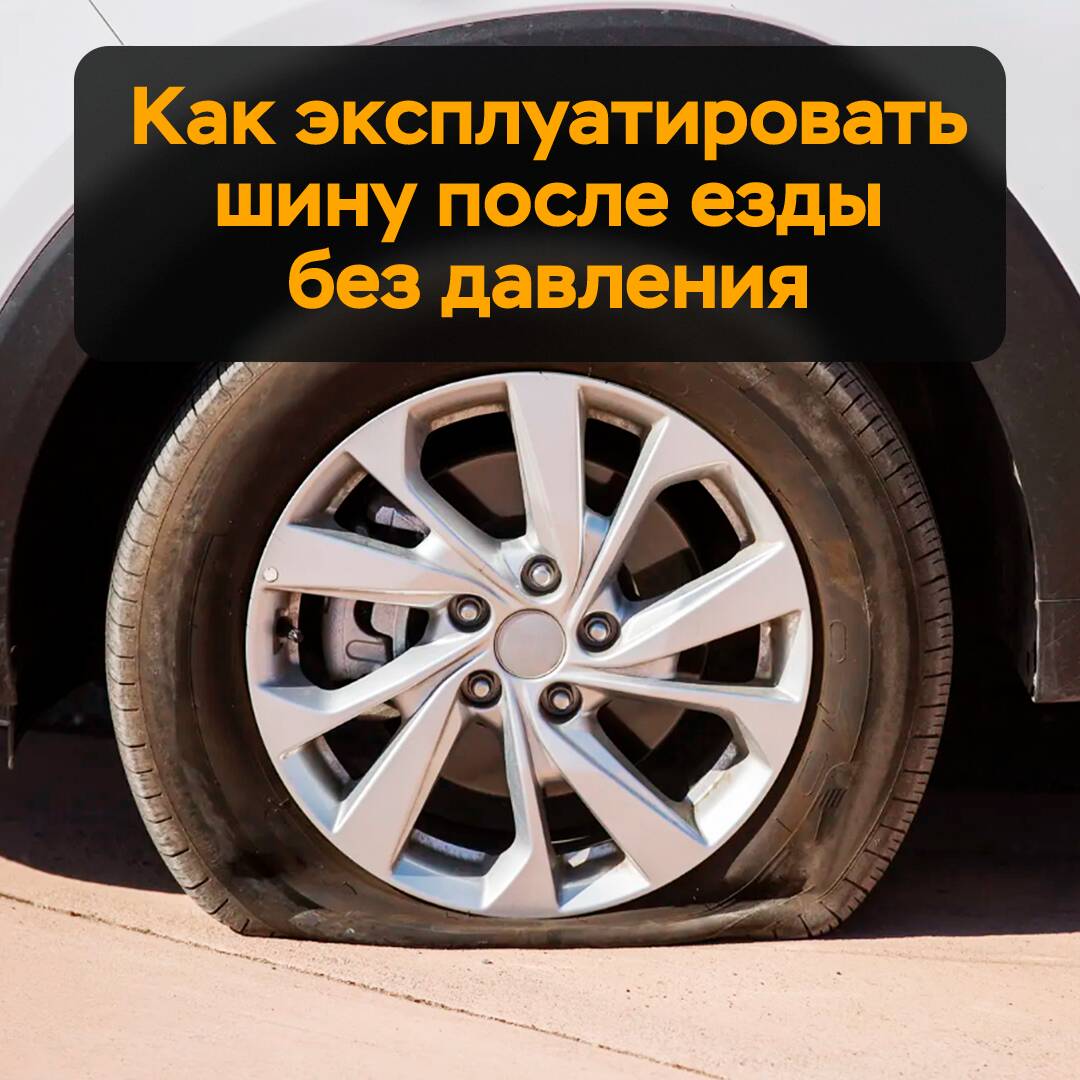
How to Operate a Tire After Driving Without Pressure
A tire is called pneumatic because it cannot function without air pressure inside. During operation, it is not uncommon for a tire to lose pressure. This can be due to a sharp deformation from driving over a foreign object with partial destruction, or without visible damage, but with significant pressure loss. Gradual pressure loss is also not uncommon. Our roads are literally littered with self-tapping screws that find their final resting place in tire treads. The insidious thing is that pressure loss in such cases occurs gradually. That's why it's essential to inspect your tires when approaching them, and it's best to make it a habit.
Pressure losses do occur. Is it possible to operate tires after a car has stood on a tire without pressure or even driven on it? Below, we'll consider several situations and what to pay attention to first.
Let's say you approach your car in the morning and notice that the tire is completely flat. The good news is that you didn't drive on the tire, which means that there are likely no damages. You should restore the internal pressure and pay attention to the markings on the tire. You should pay attention not only to the inscriptions but also to the decorative notches. They are on every tire. If you don't see ring wear and the tire holds pressure, it means that there is no damage to the sidewall, and you urgently need to go to a tire shop to detect and eliminate the puncture.
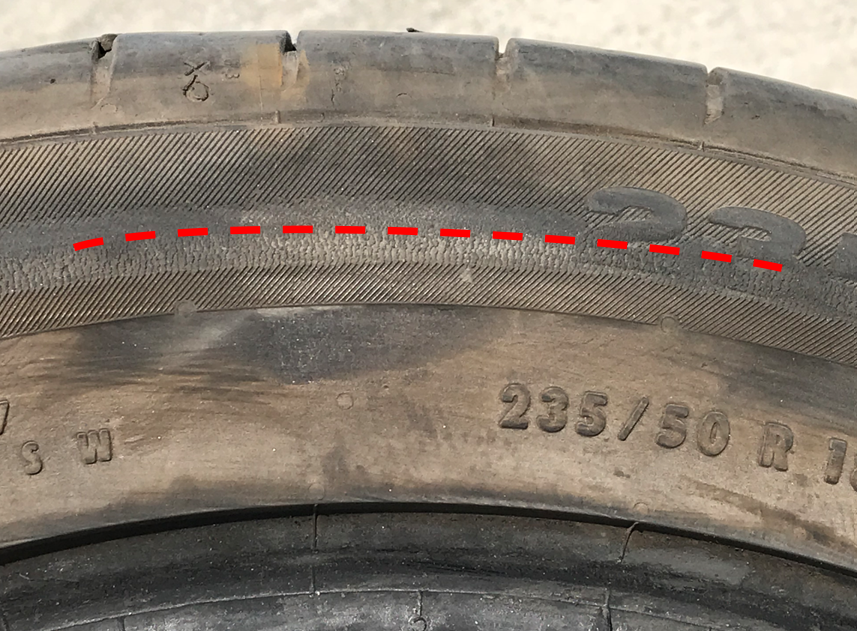
At the tire shop, pay attention to the condition of the sealing layer. If it's damaged, it's likely that the tire will no longer be able to hold internal pressure, and the only solution may be to install a tube or replace the tire.
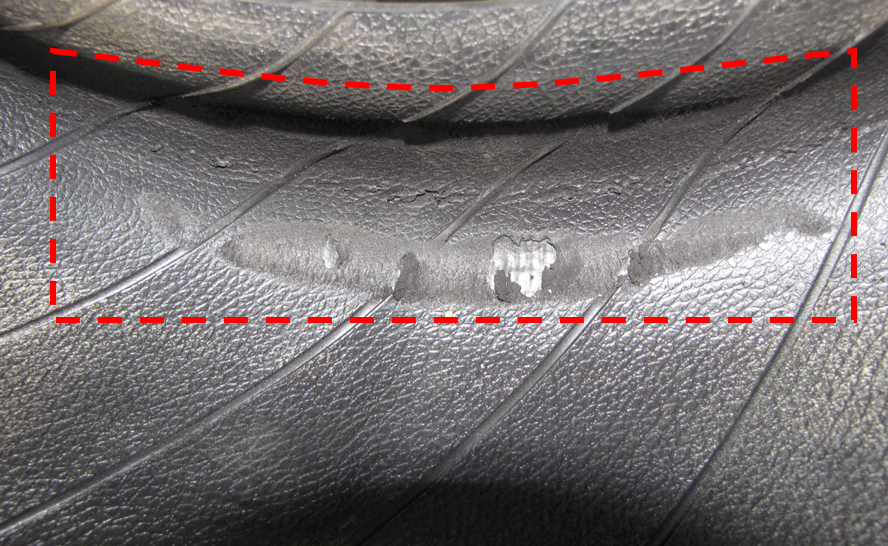
Special attention should be paid to cases where you are forced to drive on a flat tire in an emergency situation. In such a case, every passed meter can be fatal. The rim edge literally grinds the tire carcass, pushing it through the sidewall's cover rubber. After such a drive, it's also necessary to pay attention to the external and sidewall part, as we wrote above, but also to check the contact area of the sidewall with the rim flange by touch. If you feel a depression tactilely, it means that the carcass is likely damaged, even if only partially. Visually, the tire may seem suitable and even hold pressure, but operating such a tire and subjecting it to daily loads can be dangerous.