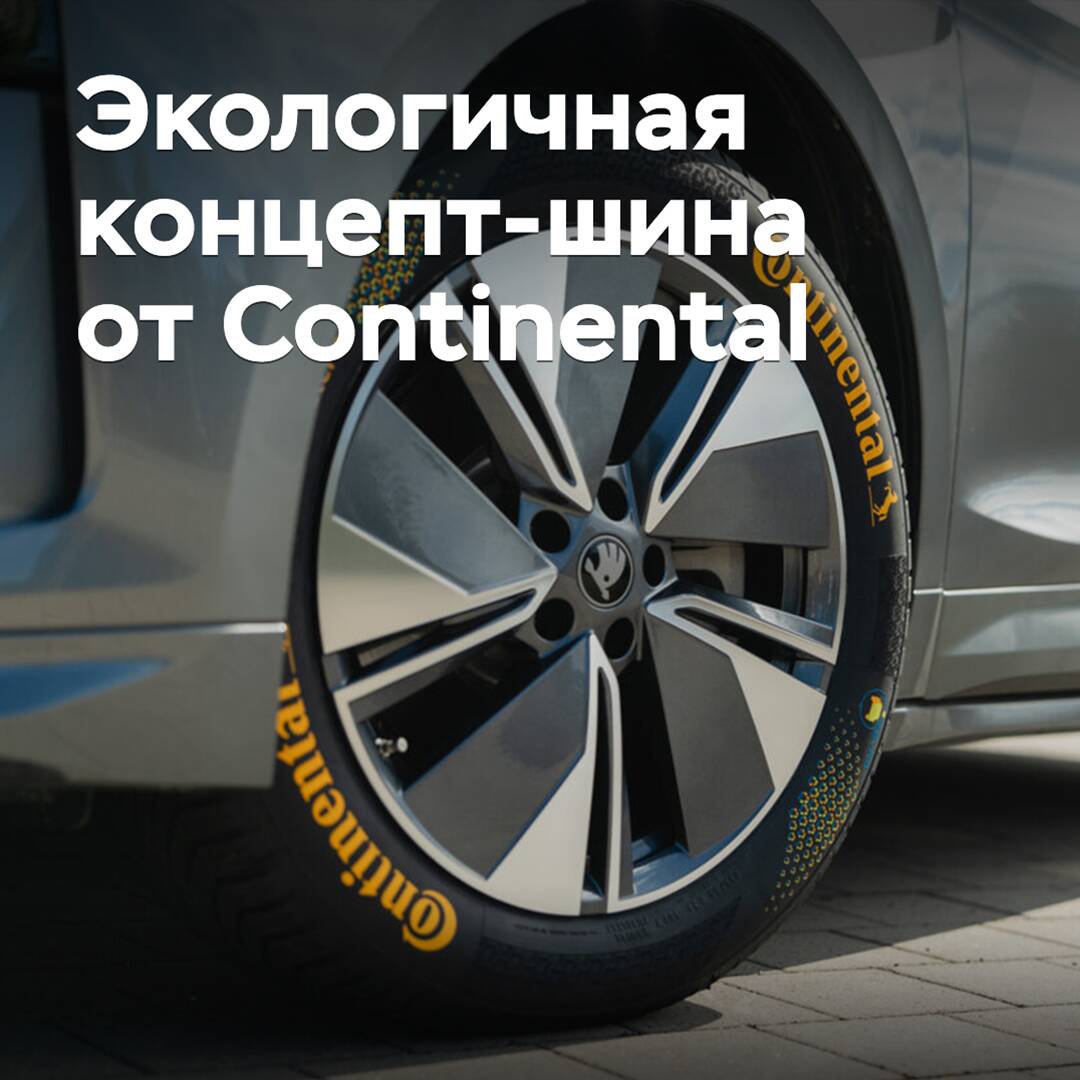
Continental has developed a new eco-friendly concept tyre
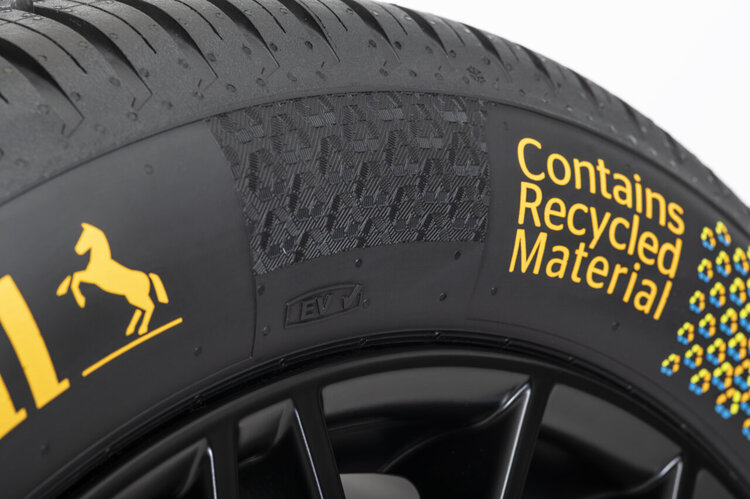
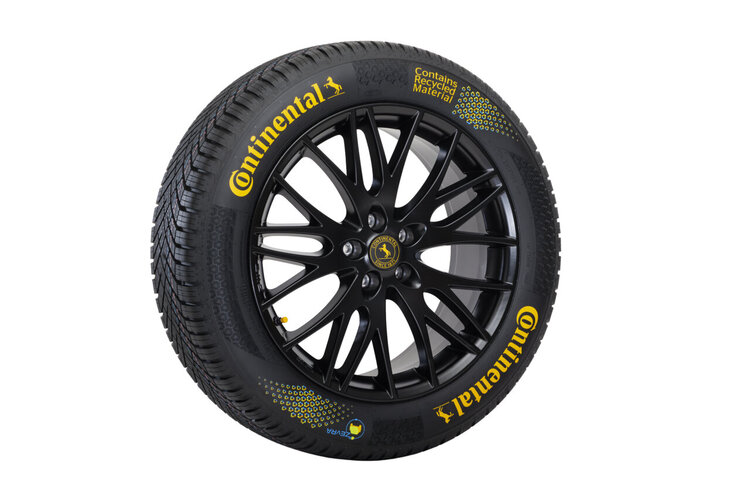
Company Continental as part of the EU-funded project ZEvRA, a conceptual tyre has been developed that consists of approximately 43% sustainable materials and "demonstrates the potential of innovative approaches to raw material usage, underlining the need to establish a robust system for implementing recycling technologies at an industrial scale."
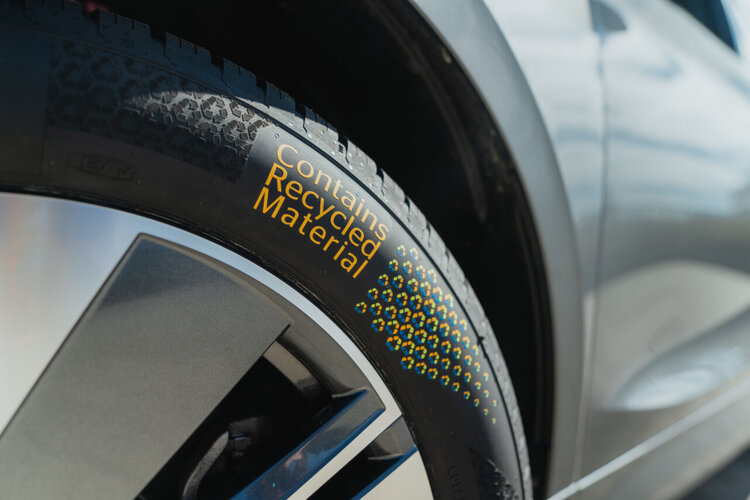
"Using materials obtained according to closed-loop principles helps save resources and energy while reducing greenhouse gas emissions," said Andreas Topp, head of platform development and industrialization at Continental, adding that the new concept "shows what is technically possible today and at the same time serves as a catalyst for tomorrow's innovations."
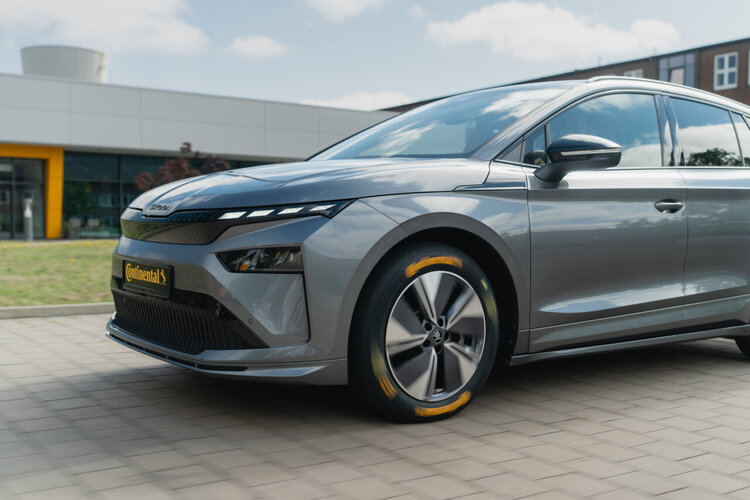
The abbreviation ZEvRA stands for Zero Emission Electric Vehicles Enabled by Harmonized Circularity, and the two-year EU project aims to expand circular economy principles across the entire production and distribution chain in the electric vehicle sector. Currently, Continental is the only tire manufacturer supporting the initiative.
«Tyres are made from a variety of high-performance materials, precisely balanced to ensure safety, energy efficiency, and durability,» say representatives from Continental. «Such complex technical requirements make the implementation of circular economy principles particularly challenging. Therefore, increasing the proportion of recycled materials in the production of a safety-critical product, while maintaining high performance, represents a significant step forward. The new concept tyre demonstrates the possibility of combining environmental sustainability with efficiency and has achieved the highest rating for rolling resistance in the European tyre label.»
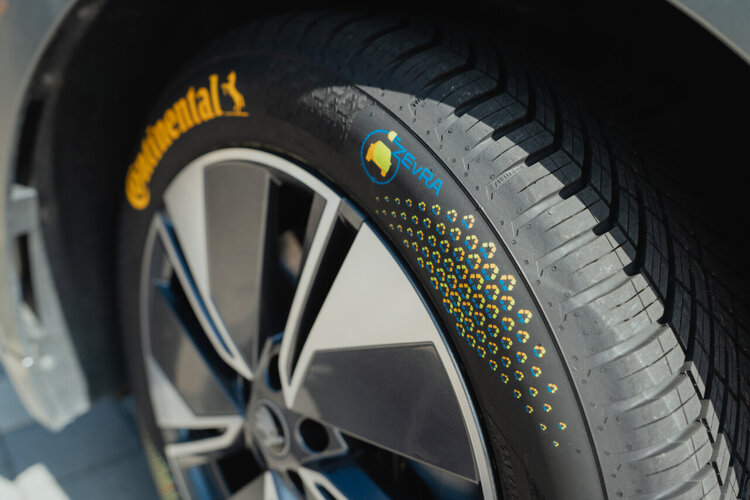
The new concept tire is manufactured using recycled raw materials such as tall oil, metal, and rubber from end-of-life tires. In addition, the polyester cord is produced from recycled PET bottles, while recovered carbon black (rCB) has been used since 2023 at the company's plant in Korbach, Germany, in the production of all solid tires, primarily intended for forklifts. A new development is the use of recycled sand (rSand) generated in foundries, which during recycling is used to produce an alternative version of silica. Thanks to all these implemented solutions, Continental says the demand for virgin raw materials is reduced.
"Project ZEvRA shows that technological progress can only happen when there is planning certainty and support for implementing new processes," says Topp. "This requires Europe-wide standards regarding what is considered recycled materials and their classification. Equally important is openness in terms of technology and continuous innovation, as well as the associated infrastructure, since it is necessary to ensure sufficient availability of high-quality recycled raw materials."
According to Jorge Almeda, Director of Sustainability at Continental's Tires division, "the next step will be the industrial-scale implementation of innovative recycling technologies to create closed material loops."
"Doing this is essential to accelerate the transition to a circular economy that reduces resource consumption and climate impact," he said. "We need a standardized approach to calculations and reporting, developed in close cooperation with authorities and industry stakeholders. If implemented, such a process must be simple, transparent, and understandable for consumers, as we want to ensure real progress without creating unnecessary bureaucracy."
The new tire contains approximately 13% raw materials derived from renewable sources, while 25% are certified according to mass balance. The company emphasizes its ongoing efforts to expand the use of sustainable raw materials. Since 2022, for example, certain passenger car tire models have incorporated polyester made from recycled PET bottles, and in 2023 the company introduced a serial production tire Continental UltraContact NXT, which is 65% made from eco-friendly materials. In 2025, the share of "green" raw materials in the German company's tires reached 28%, and by 2030 this figure is planned to be increased to at least 40%.